Preserve your budget
Avoid paying twice for fabrication, shipping, removal and installation when existing glass can be recovered.
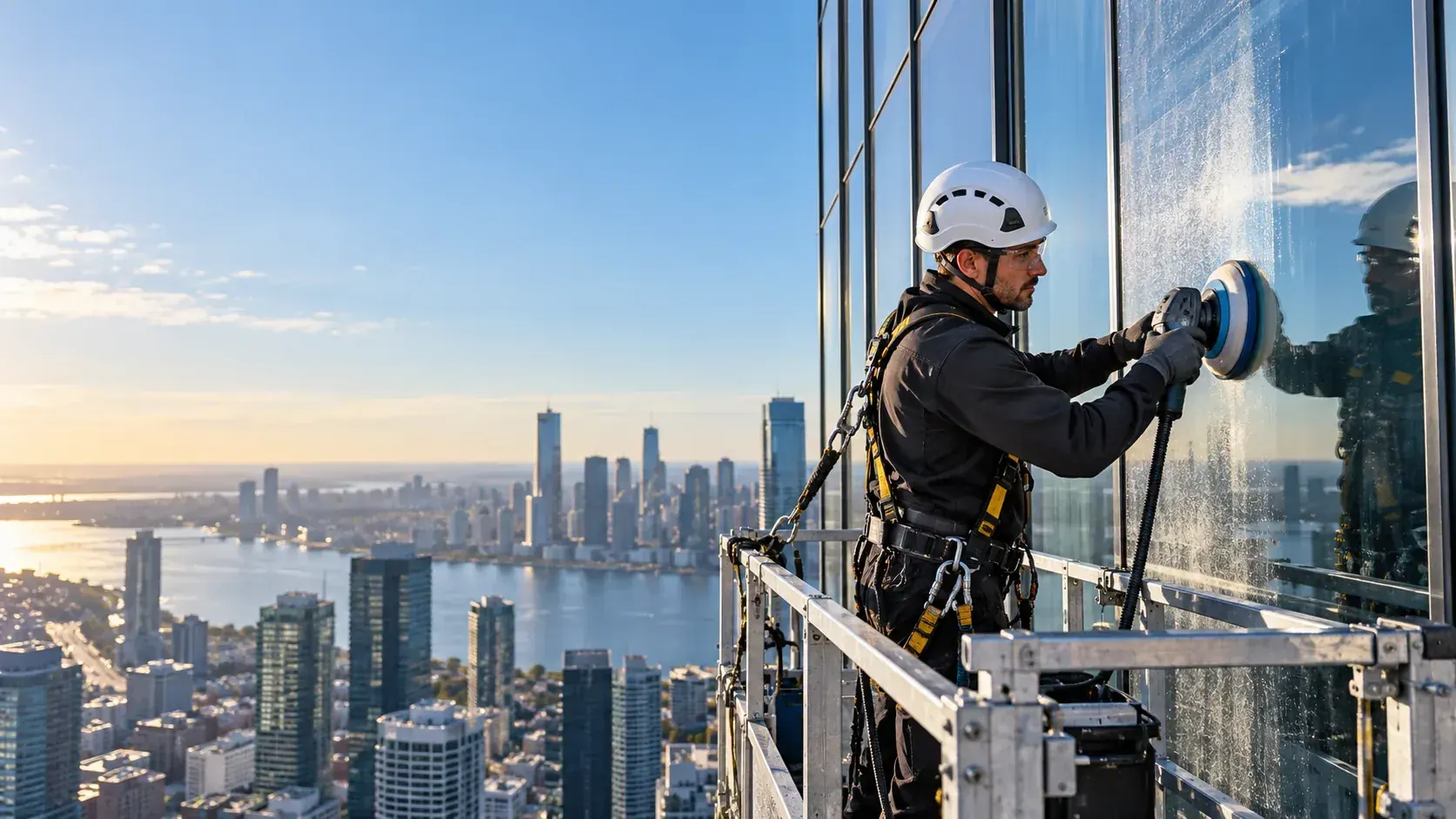 Illustrative image · Safe working conditions
Every day you postpone the decision, the damage remains an unresolved expense. If the glass is intact, we can assess whether restoring it makes financial and technical sense, right where it is installed, without removing it, with potential savings of up to 70% compared with replacement.
Not every pane can be restored. Replacing it before assessing it can be the costly mistake.
Your cost doesn't start when you order new glass. It starts when you pay again for processes your project has already completed.
Avoid paying twice for fabrication, shipping, removal and installation when existing glass can be recovered.
Reduce the risk of discovering too late that replacement was avoidable, when the handover deadline is already approaching.
Keep the glass installed and avoid additional handling when restoration is technically possible.
Before authorizing replacement, you can still compare restoration and replacement using actual project data.
We do not assume every pane can be restored. Nor do we assume every damaged pane must be replaced. We assess depth, distribution of damage, access, proximity to edges, overall condition and glass type.
If restoration is not advisable, you need to know before paying for it. If it is viable, you need to know before ordering a replacement pane.
Check the feasibility of my project
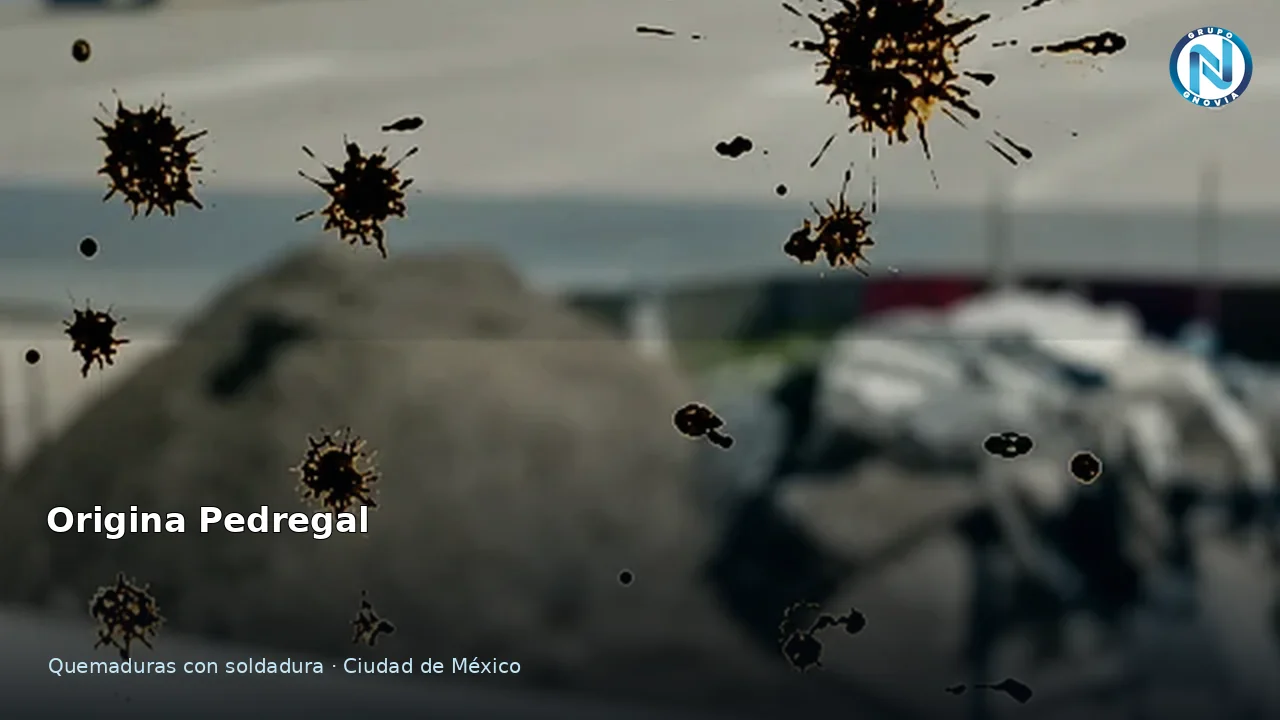
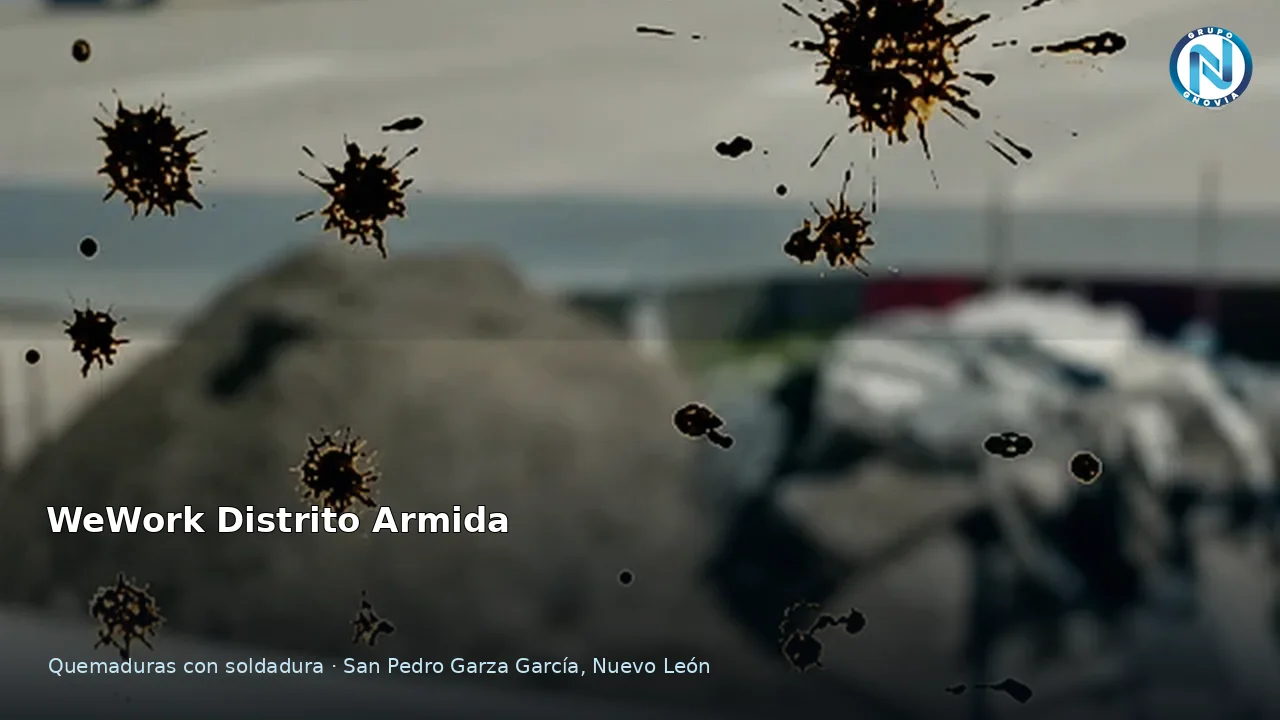
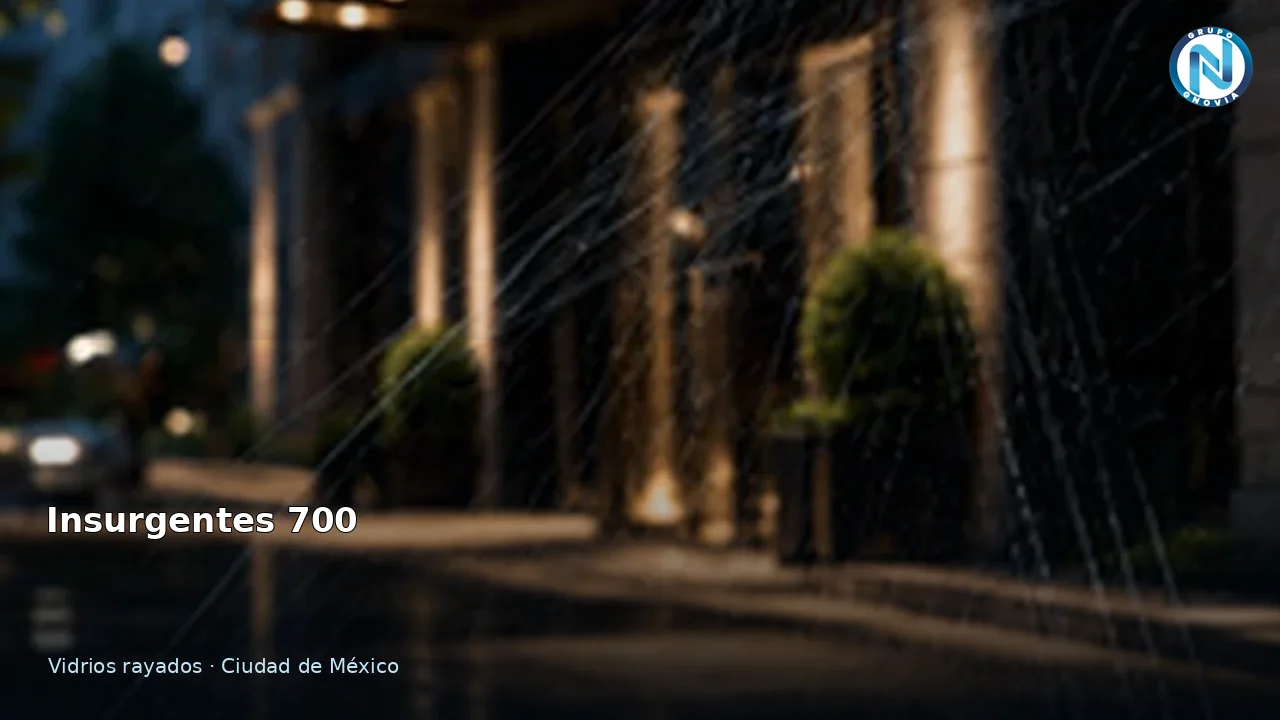
Depending on the condition of the glass, we evaluate damage that often triggers expensive replacement decisions.
Restoration is not about concealing damage. It is about determining whether the surface can be recovered without replacing the entire pane.
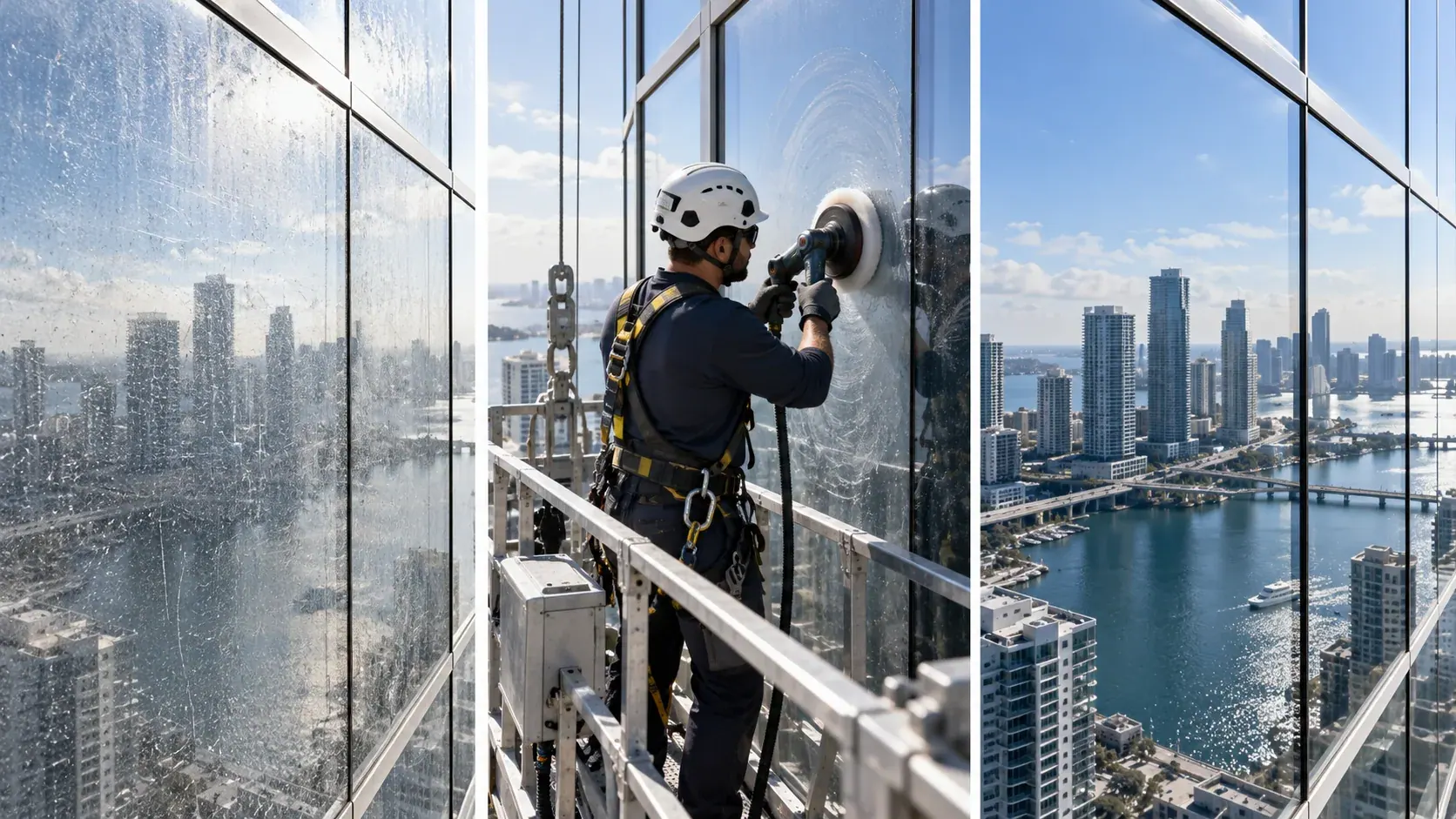
The following images correspond to documented GNOVIA projects. Illustrative images in preceding sections are not presented as work completed by GNOVIA.
The right decision may be to restore many panes, only some, or none. Any of those conclusions is better than replacing by default.
Damage, affected area, location, access, urgency and project circumstances.
Confirm that the glass is intact and evaluate restoration limitations.
Identify which panes can be retained, which need a different solution and how the work should be carried out.
Where feasible, we work with the glass installed and avoid unnecessary removal.
You do not need a complete tender package to request an initial technical review. Our internal assessment helps us prioritize business projects by scale, urgency, access and replacement cost.
We will review the information and follow up according to technical feasibility and project priority.
Assessment reference: —
We do not work on broken, cracked or fractured glass. There are technical limitations related to glass edges, damage depth, access and the individual pane's condition.
The process also entails limited inherent risks, including breakage or distortion. We prefer stating limitations upfront over promising results we cannot substantiate.
No. Every pane must meet technical conditions. The assessment identifies which panes are candidates for restoration and which are not.
For technically viable projects, the service is performed directly on the installed glass.
Our process seeks to restore the glass surface without altering its physical, chemical or optical properties.
Yes. GNOVIA serves business projects nationwide, subject to location, volume and working conditions.
Damage type, estimated number of panes or affected area, city, access, height and photographs.
 Continuar por WhatsApp