Recover your garden glass enclosure affected by welding
We correct welding damage on garden-facing glass doors and enclosures affected by metalwork, structural work, or other hot-work activities.
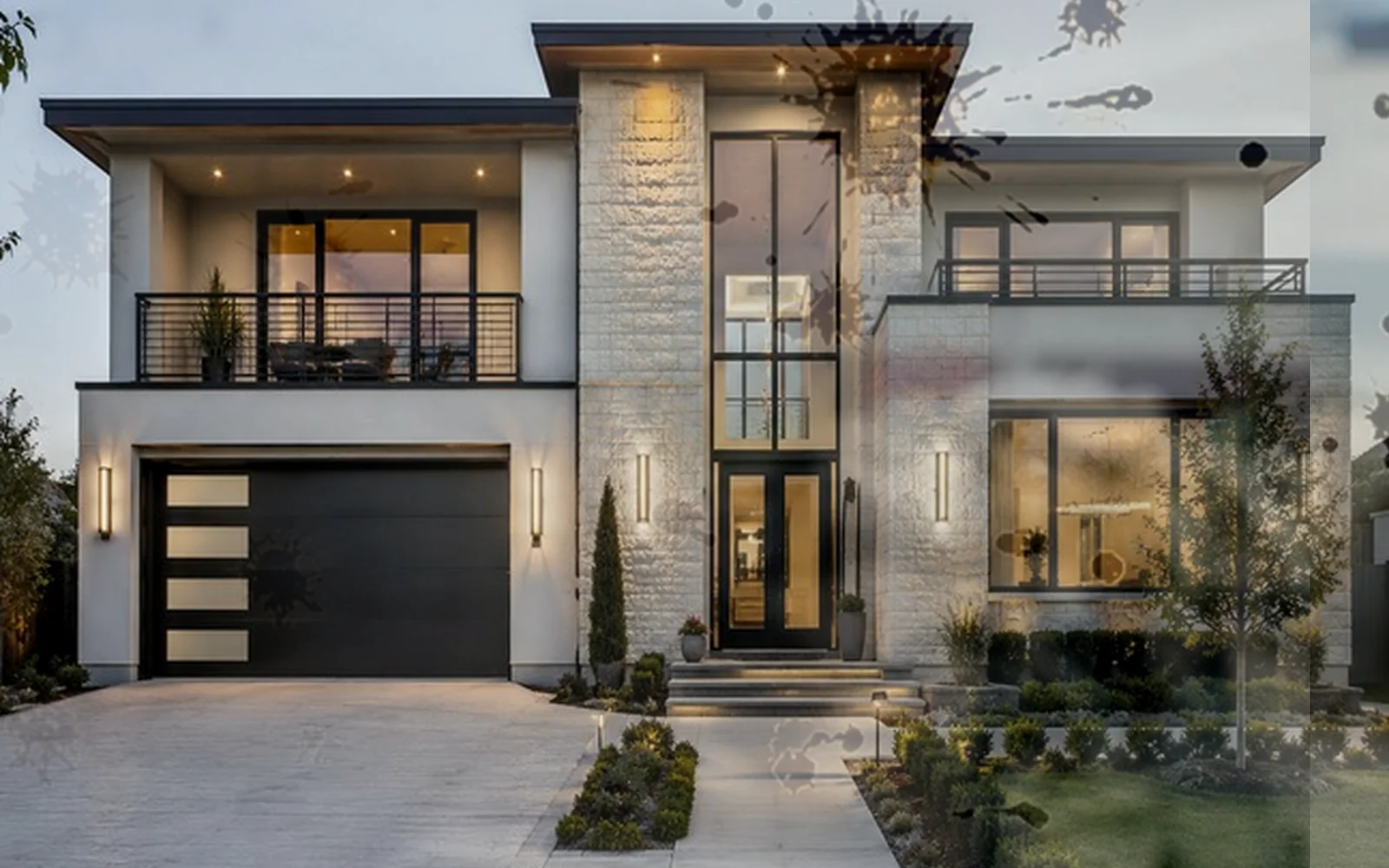
A metalwork spark can turn a clear garden view into a surface covered with dark dots and irregular reflections. The damage remains even after the glass is washed.
What is happening to your glass
Fabrication of pergolas, railings, grilles, or nearby structures can project high-temperature metal particles. On impact, they leave embedded particles and cavities in the glass.
Why it affects appearance so much
In sunlight, each point creates glare and the panel can look permanently dirty. On large glass enclosures, replacement requires costly handling and creates additional risk for floors and frames.
What leaving it or replacing it implies
Scraping the damaged points can enlarge them. Replacement requires removing a heavy panel, adjusting the tracks, and waiting for fabrication of a large-format pane.
How we restore this pane
- Recovery of exterior views and reflections
- Localized correction of particles and craters
- Protection of frames, tracks, floors, and landscaping
- Less disruption than replacing a large-format panel
Process specific to this case
- We map the distribution of particles across the entire pane.
- We protect tracks, frames, floors, and nearby vegetation.
- We restore by areas while controlling depth and uniformity.
- We verify the result with luz solar from interior and exterior.
Deep damage and work limitations
Welding-damage restoration maintains an approximate technical working distance of 7 to 10 cm from certain edges. The rest of the panel can be restored even with deep pitting as long as the glass remains intact.
Grupo GNOVIA restores superficial and deep damage when the glass remains intact. Most cases are confirmed using technical information; on-site visits are mainly reserved for large volumes.
Frequently asked questions about this case
Can you work on large sliding glass panels?
Yes. The work sequence is divided into areas to control uniformity and safety.
Do the irregular reflections disappear?
Correcting pitting and embedded particles restores visual continuity across the treated area.
Do you need to remove the tracks?
Normally, no. The tracks are protected and work is performed with the system installed when adequate access is available.
What happens with dots near the edge?
A technical working limit of approximately 7 to 10 cm is respected near certain edges to protect the glass.
What happens if a pane cannot withstand the process?
This is very uncommon because Grupo GNOVIA personnel are trained to restore glass using a controlled sequence. In exceptional cases, previously damaged glass may not withstand the intervention. If that occurs, we do not charge for the service performed on that pane; however, we do not assume the replacement cost of glass that was already damaged before work began. This condition is explained clearly before the work starts.
What annealed-glass thickness do you recommend?
We do not recommend restoring 6 mm annealed glass because its lower strength makes it less likely to withstand the process. Annealed glass 9 mm or thicker has a greater probability of withstanding the intervention; even so, service is performed only under the client’s responsibility and with prior acceptance of this condition. Broken, chipped, or fractured glass is not treated.
Do you need an on-site visit to confirm the service?
Not in most cases. We can confirm service remotely using the damage description, dimensions, glass type, location, and access conditions. On-site visits are primarily reserved for construction projects or projects involving a large volume of glass.